Skip to content

Table of Contents
If shaving leaves you dealing with constant bumps, irritation, and ingrown hairs, professional waxing may offer a better long-term solution. Unlike shaving, which cuts hair at the surface, waxing removes hair from the root, helping promote smoother regrowth and reducing some of the common factors that contribute to ingrown hairs. For many people, regular hair removal treatment sessions can lead to cleaner-looking skin and less frustration between appointments.
How is waxing better than shaving in dealing with ingrown hairs?
Waxing removes hair from the root, while shaving cuts it at the skin’s surface. Because the hair grows back with a softer tip after waxing, it may be less likely to become trapped beneath the skin and develop into an ingrown hair.
Why Ingrown Hairs Form in the First Place
An ingrown hair develops when a strand grows back into the skin or becomes trapped beneath the surface. This can happen when dead skin cells block the follicle opening, when the hair is cut at an angle, or when friction pushes new growth back toward the skin.
Shaving can make this issue more noticeable since it cuts the hair close to the surface. As the hair begins to grow back, the edge may feel sharp or blunt. In tighter or more sensitive areas, the new growth can curl into the skin instead of growing outward.
Skin condition also matters. Dryness, buildup, tight clothing, and picking at irritated spots can all make ingrown hairs worse. That is why the method of hair removal is only one part of the bigger picture.
How Waxing Changes the Regrowth Process
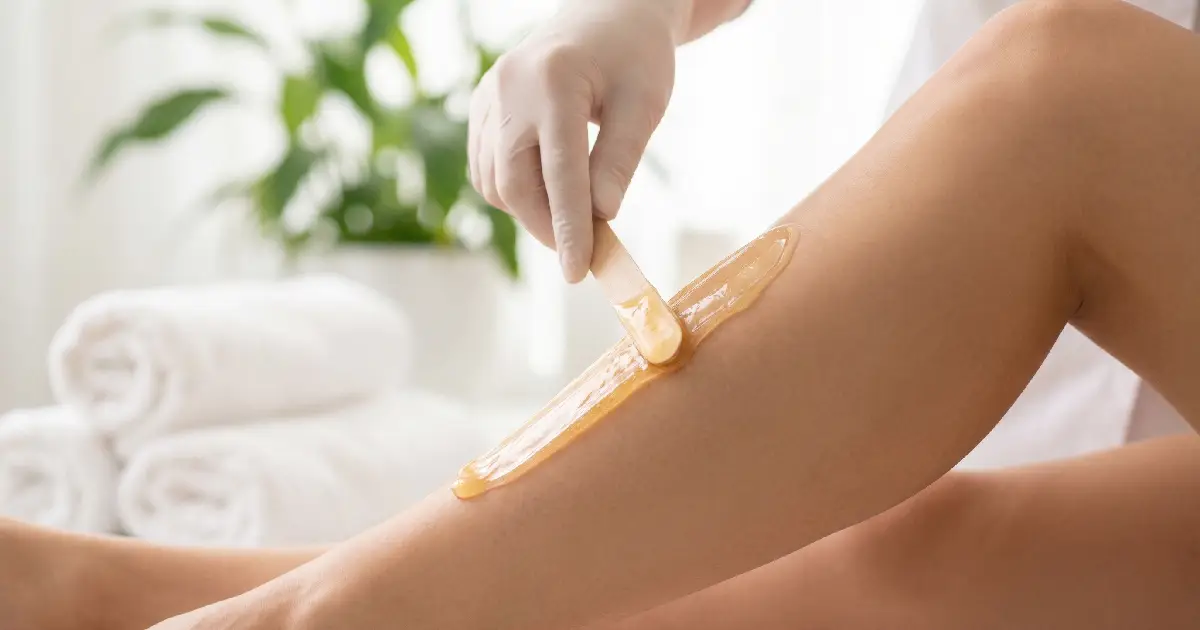
A waxing treatment removes the hair from the follicle rather than cutting it at the skin line. Because the hair has to regrow from the root, the process is slower than shaving. Many waxing patients also highlight that hair regrowth feels softer because the new hair does not have the same blunt edge left behind by a razor.
Such a change in texture can be beneficial for those prone to ingrown hairs. Softer new growth may be less likely to catch under the skin, especially when the skin is kept clean, hydrated, and gently exfoliated.
The benefit usually becomes more noticeable with consistency. When appointments are spaced properly and shaving is avoided between visits, the hair can begin growing in a more even cycle.
Why Technique Matters
Not all waxing experiences are the same. The way wax is applied, the direction of removal, the condition of the skin, and the type of wax used can all affect the outcome. This is one reason professional waxing is often preferred over at-home waxing, especially for sensitive or hard-to-reach areas.
A trained technician can assess the area, prepare the skin, and work in sections to help remove hair more cleanly. Proper technique can reduce the chance of hair snapping at the surface. Broken hairs are more likely to become trapped as they regrow, which can increase the risk of ingrown hairs.
The Role of Exfoliation and Skin Care
Waxing can help with the hair removal side of the problem, but skin care supports the result. Dead skin buildup is one of the most common reasons new hairs struggle to grow through the surface. Gentle exfoliation can help keep the follicle opening clear, allowing hair to grow out more easily.
Timing is important. Exfoliating too soon after waxing can irritate the skin. Most people need to wait until the skin has calmed before using a gentle exfoliant. Moisturizing also helps because dry skin can create rough patches that trap new growth.
A good technician can explain when to exfoliate, which products may be too harsh, and how to care for the area between visits. This guidance is especially helpful for patients who have tried multiple forms of hair removal treatment but still deal with bumps.
Why Shaving Between Waxing Appointments Can Set Back Progress
Shaving between waxing visits is a popular habit. However, it may interfere with long-term outcomes. When the hair is shaved, it is cut at the surface again. Thus, this practice can bring back the same sharp regrowth pattern that contributed to the irritation before.
Shaving also causes the hair to grow at different lengths. Now, during the next waxing appointment, some hairs may be too short to be removed properly. This can result in uneven outcomes and may even require more time before the area feels fully smooth again.
Staying consistent with waxing allows enough hair length for proper hair removal. It also provides the skin time to adjust to a more predictable routine.
Areas Where Ingrown Hairs Are Common
Ingrown hairs can develop almost anywhere hair grows, but some areas are more prone than others.
Common problems include:
- Bikini area – thicker hair and clothing friction make this one of the most common spots; waxing may reduce irritation compared to shaving, especially with a trained provider
- Underarms – warmth, folding, and deodorant exposure can contribute to bumps
- Legs – dry skin and frequent shaving can cause roughness around the follicles
- Face – skin tends to be more delicate and reactive, requiring extra care
Choosing the right service for each area matters. A professional may use different wax types or preparation steps depending on the area being treated.
What to Expect Over Time
Waxing does not remove ingrown hairs overnight. Plus, it does not prevent every bump. Skin type, hair texture, hormones, friction, and at-home care all play a role. Still, many patients find that regular waxing helps reduce some of the common triggers related to ingrown hairs.
The first few appointments may feel like an adjustment period. This is especially true if the hair has been shaved for years. As the hair grows back on a more regular basis, appointments may become easier, and results may last longer.
The best outcomes may come from a steady routine, proper skin care, and realistic expectations. Waxing can be a reliable option for people who desire smoother skin without resorting to shaving every few days.
Mandalyn Academy Waxing in American Fork, UT
For clients looking for waxing in American Fork, UT, Mandalyn Academy offers medspa waxing services designed to remove unwanted hair while keeping comfort and skin care in mind. Our technicians use high-quality waxing products and gentle techniques to support an effective hair removal experience.
Services may include areas such as eyebrows, legs, bikini, and Brazilian waxing, giving clients options based on their needs and comfort level. Our team also focuses on soothing after-care, which can help the skin feel calm and refreshed after the appointment.
Book Your Professional Waxing Appointment Today.
Frequently Asked Questions
How often should I schedule a waxing appointment?
Most people schedule waxing appointments every four to six weeks, depending on their hair growth cycle and treatment area.
Does professional waxing help reduce ingrown hairs?
Professional waxing may help reduce ingrown hairs over time by removing hair from the root and supporting smoother regrowth.
Can waxing be combined with other body treatments?
Waxing can often be combined with other body treatments, but a professional consultation is recommended to determine the safest timing and treatment plan for your skin.